
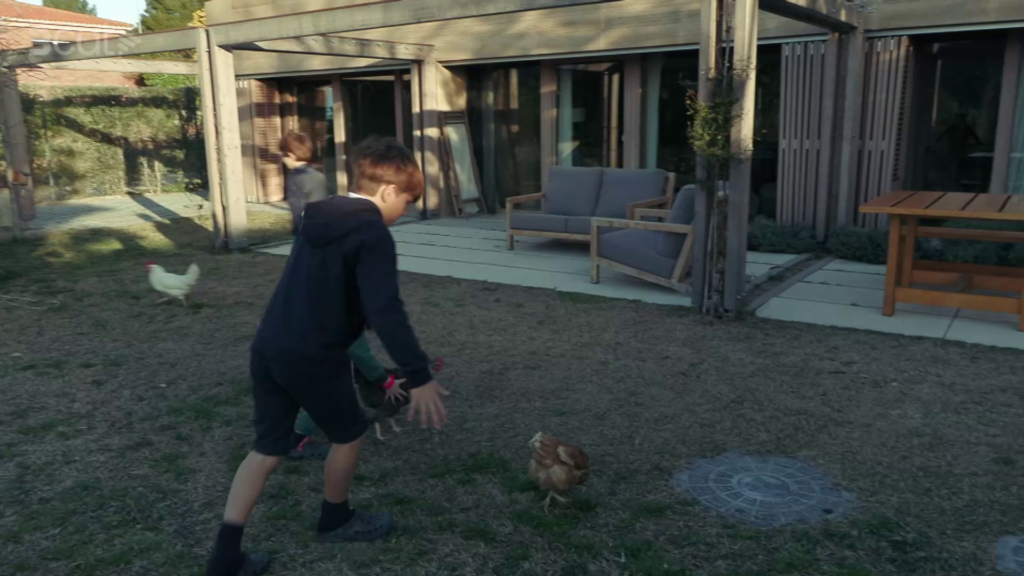
On 5 July, TV3’s current affairs programme 30 minuts aired Construint el canvi (Building Change), a documentary that explores one of the greatest challenges facing the building sector today: how to address the housing crisis without worsening the climate emergency.
Co-produced by the European Commission Representation in Barcelona, the documentary starts from a complex reality. While the urgent need for housing requires accelerating construction and making more land available for development, the building sector continues to have a significant environmental impact, accounting for approximately 36% of Europe’s CO₂ emissions and 40% of its energy consumption.
“We need more housing, but we cannot continue building it the way we have until now.”
Greta Tresserra
From this starting point, Construint el canvi showcases projects and initiatives that are already exploring alternative ways of building, from structural timber and prefabricated construction to the revival of earth as a building material, straw construction—with examples from Catalonia and other European countries—and the development of new materials made from agricultural by-products.
The documentary demonstrates how technological innovation and the recovery of traditional materials and building knowledge can come together to reduce the carbon footprint of buildings, improve their energy performance, and promote an architecture that is better adapted to both the climate and its local context.
Throughout the documentary, AUS is strongly represented through several of its members, associated practices and partner organisations, whose ideas and experiences help shape the narrative and illustrate that this transformation is already underway.
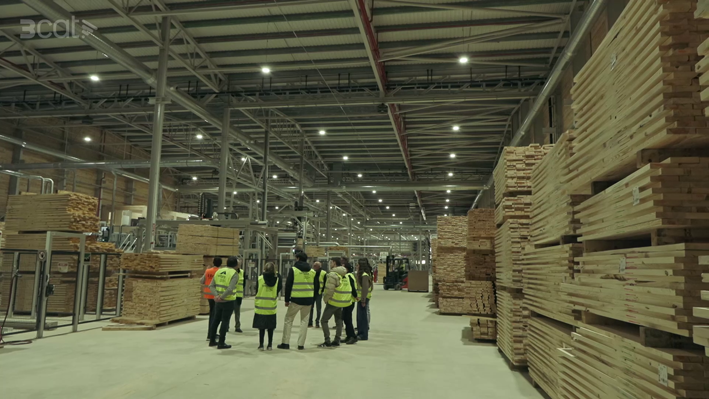
Building Housing Without Worsening Climate Change
espai
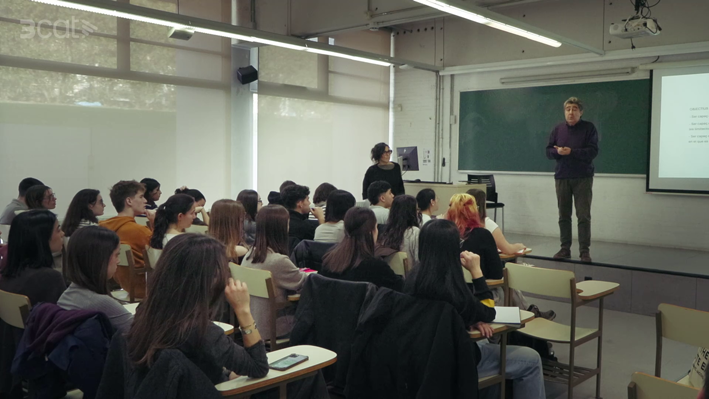
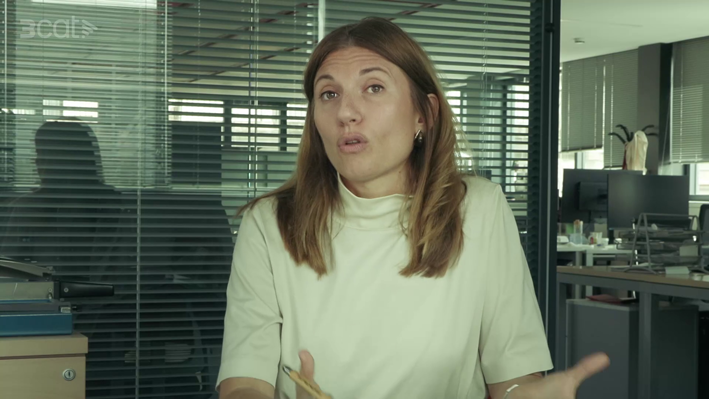
Greta Tresserra, current President of AUS, highlights one of the documentary’s central messages: our commitment to building new housing cannot come at the expense of the climate.
According to Tresserra, this transformation relies on two key strategies: repurposing and adapting existing buildings—such as obsolete offices and industrial facilities—into housing, and building with low-carbon materials.
This message is reinforced by Albert Cuchí, former President of AUS, who warns that low-carbon materials are no longer simply an alternative—they are a necessity.
With today’s construction materials and building systems, the remaining carbon budget would not allow the millions of homes projected to be built by 2050 without jeopardising the internationally agreed climate targets.
espai
espai
Natural Materials, Local Knowledge and Innovation
espai
The documentary also shows how many of the solutions can emerge from rediscovering materials and knowledge rooted in local traditions.
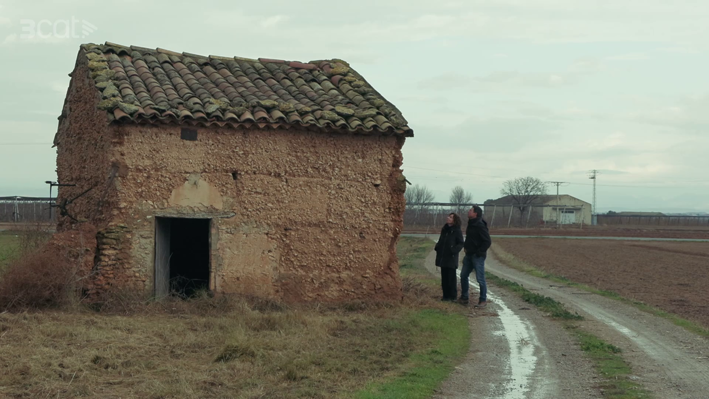
Maite Roldán and Macari de Torres, from Fetdeterra, explain their work with earth as a building material. By studying traditional rammed earth construction, some of it centuries old, they have explored the properties of a natural, breathable material capable of regulating indoor humidity and temperature.
Their reflection is as simple as it is compelling: what could be more sustainable than building with the very earth beneath our feet?
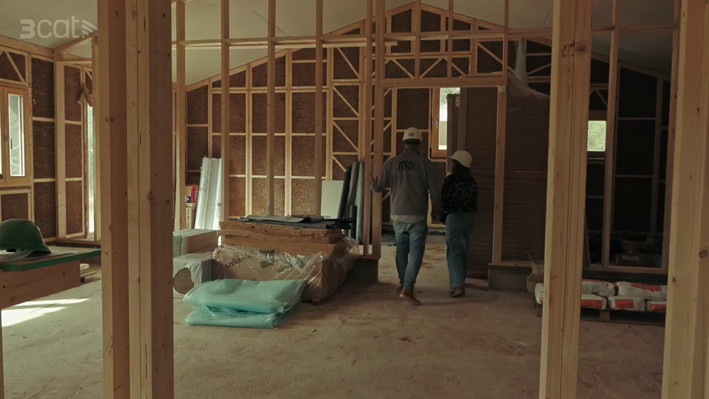
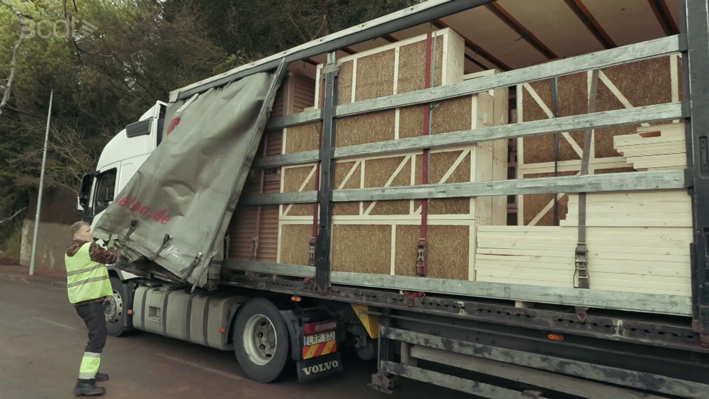
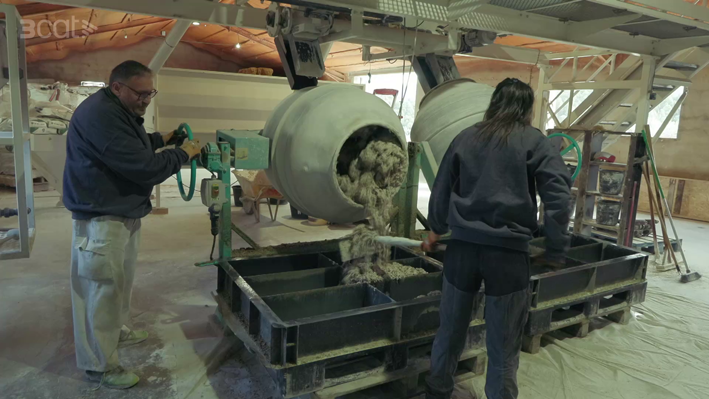
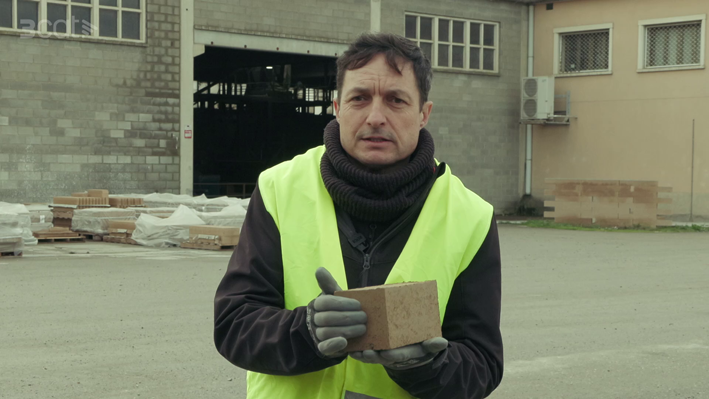
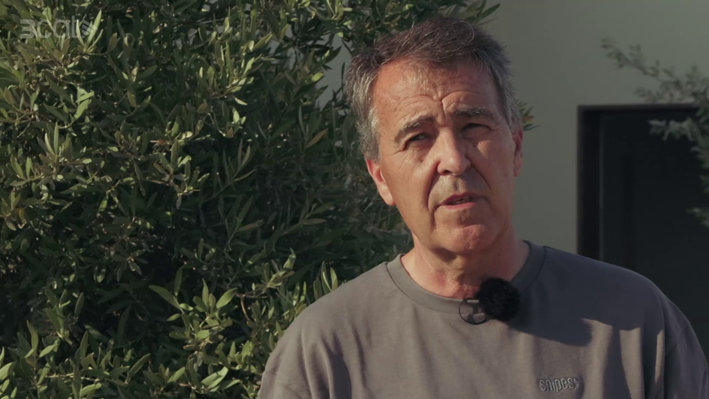
From the Ebro Lands in southern Catalonia, Albert Cuadern and Ignasi Cuadern—father and son, architects and AUS members—present the work carried out at Cuadern Campanals Arquitectes on the use of rice husks. Since 2014, the practice has been researching this agricultural by-product from the Ebro Delta as a construction material.
After a long process of trial and error, they have developed a material with excellent bioclimatic performance and a low environmental footprint. The blocks combine air and mass, providing both thermal insulation and thermal inertia, helping buildings stay comfortable in both winter and summer.
The solution has already been implemented in around ten single-family homes, paving the way for buildings capable of storing carbon in their walls and roofs while dramatically reducing the CO₂ footprint associated with construction.
espai
espai
espai
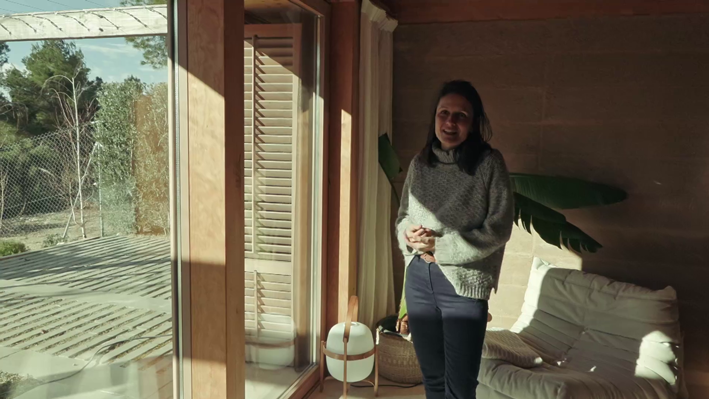
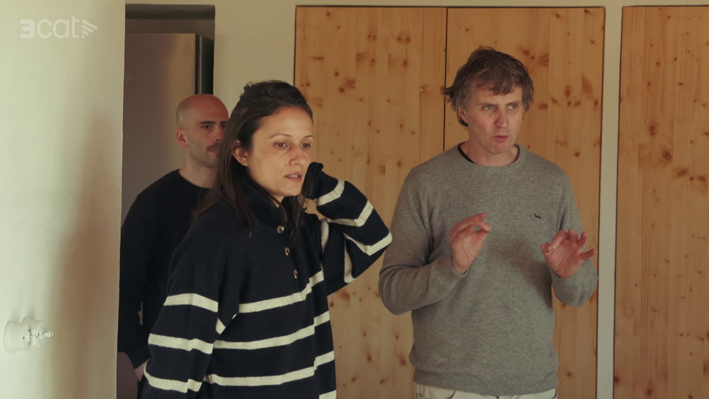
Jade Serra, Vice President of AUS and partner at Slow Studio, brings the perspective of bioclimatic architecture through a home conceived as a true living laboratory.
Earth, timber, cork and green roofs are combined with passive strategies such as solar gain, thermal mass and cross-ventilation. The result is a house without radiators or active heating and cooling systems, where architectural design itself provides thermal comfort.
But the reflection goes beyond energy efficiency. Designing the spaces where we live our daily lives is also a matter of health, well-being and quality of life.
espai
espai
A Transformation of the Construction Sector Already Underway
espai
The participation of Greta Tresserra, Albert Cuchí, Jade Serra and Cuadern Campanals Arquitectes highlights the diversity of knowledge, research and professional practice represented within AUS.
Repurposing existing buildings. Building with low-carbon materials. Recovering local resources. Transforming waste into new building materials. Designing with the climate in mind and putting people’s well-being at the centre.
Construint el canvi shows that these alternatives already exist. The challenge now is to ensure they become the norm rather than the exception, shaping the way we build and transform our built environment.
At AUS, we welcome the fact that a widely viewed programme such as 30 minuts has brought this debate into the public conversation and given visibility to the professionals and initiatives already working to decarbonise architecture.
You can watch the full documentary on 3Cat:
espai