
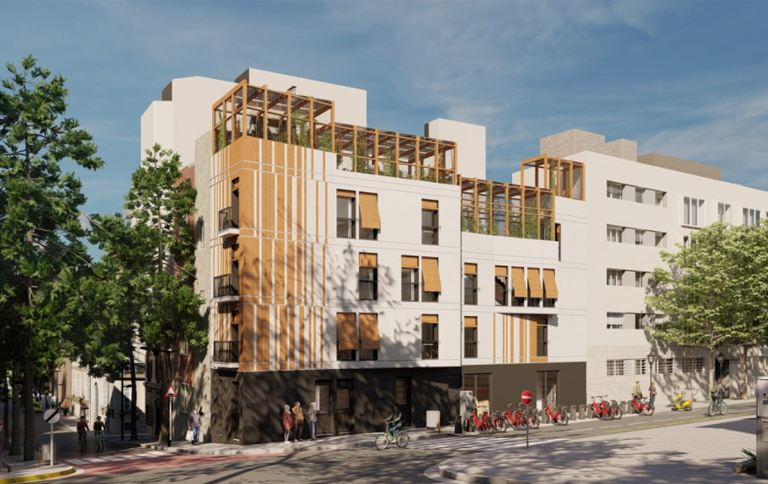
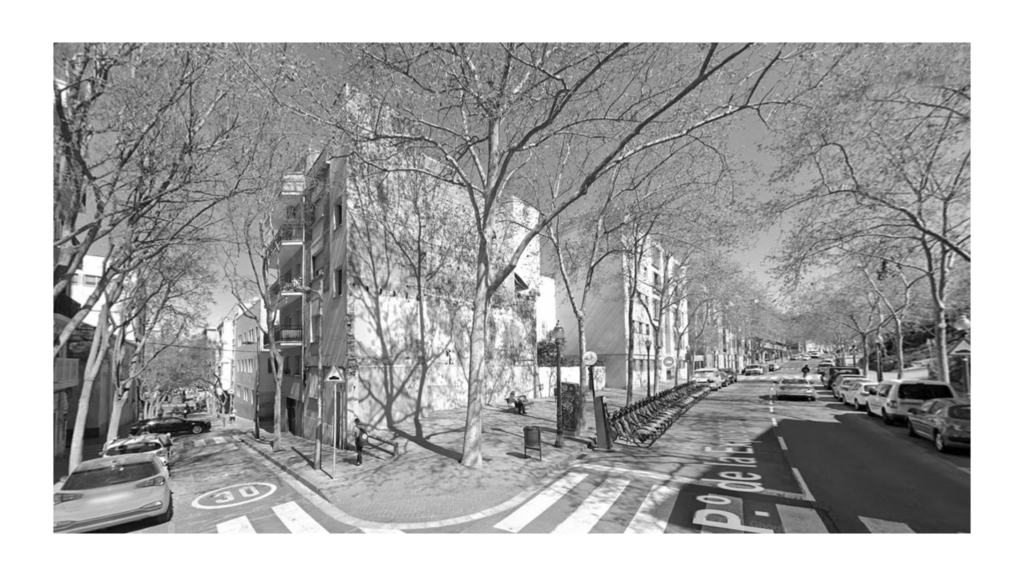
Last Tuesday, February 17, a group of members of AUS – Architects for Sustainability Association took part in a technical session and site visit to the WikiHousing project in the Poble-sec neighbourhood of Barcelona.
The event was part of AUS’s programme of technical visits and meetings, designed to learn about real projects, share knowledge among professionals, and create spaces for discussion around a more sustainable and socially committed architecture.
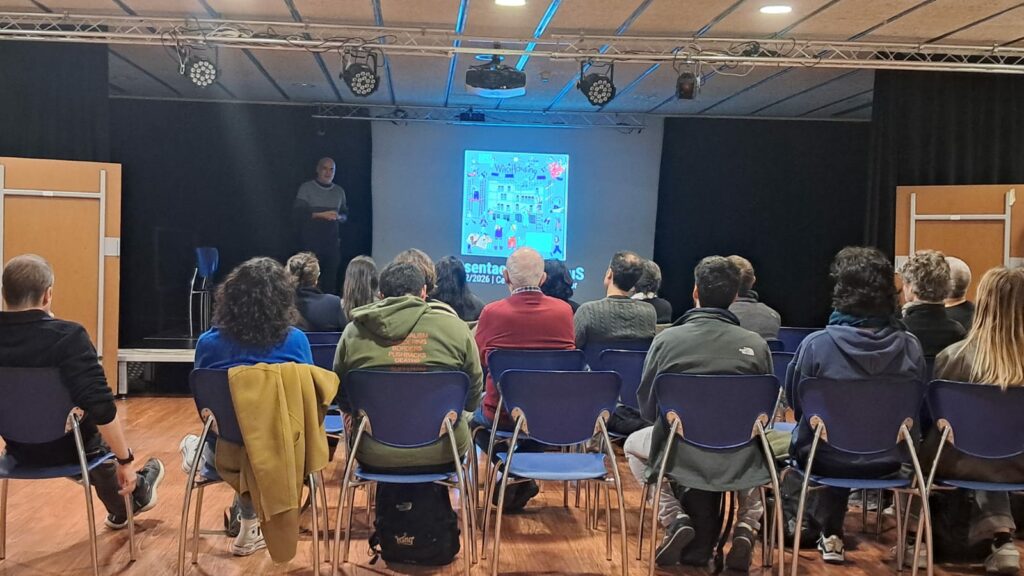
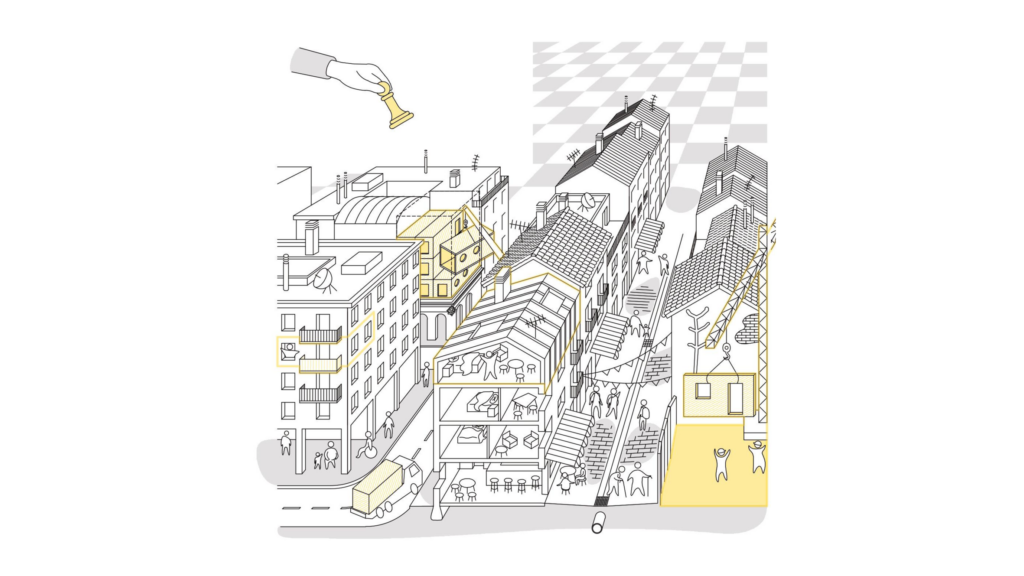
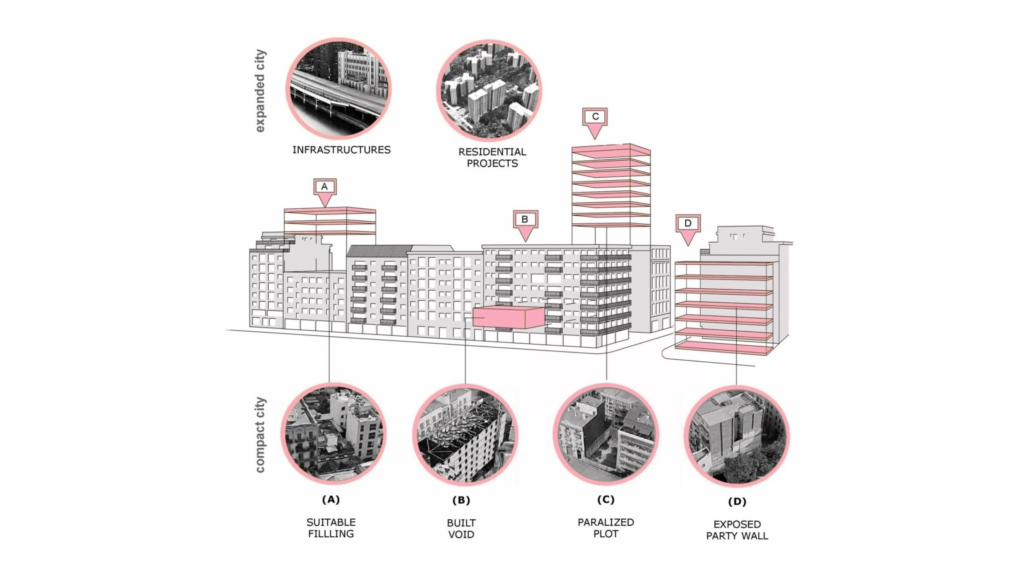
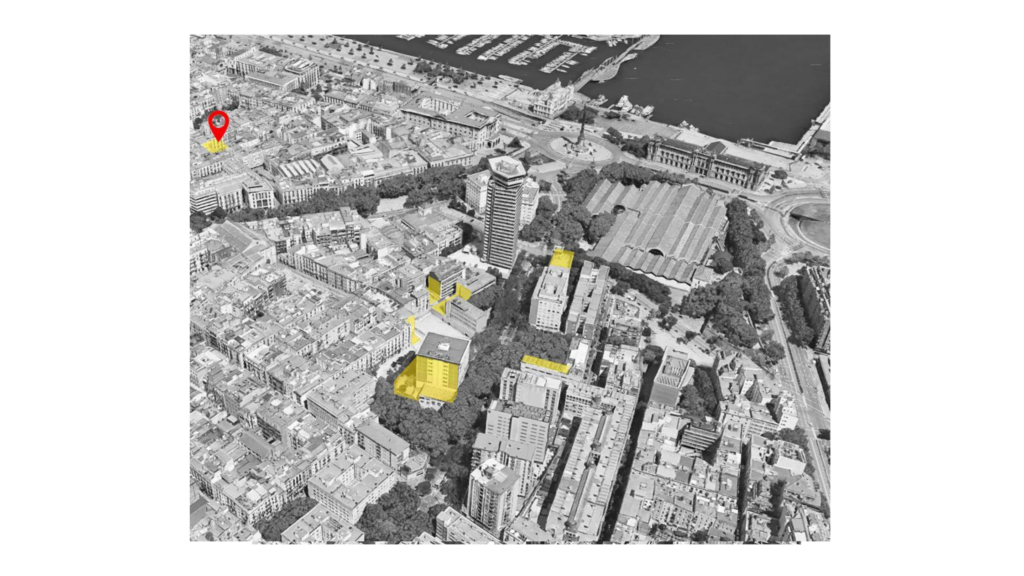
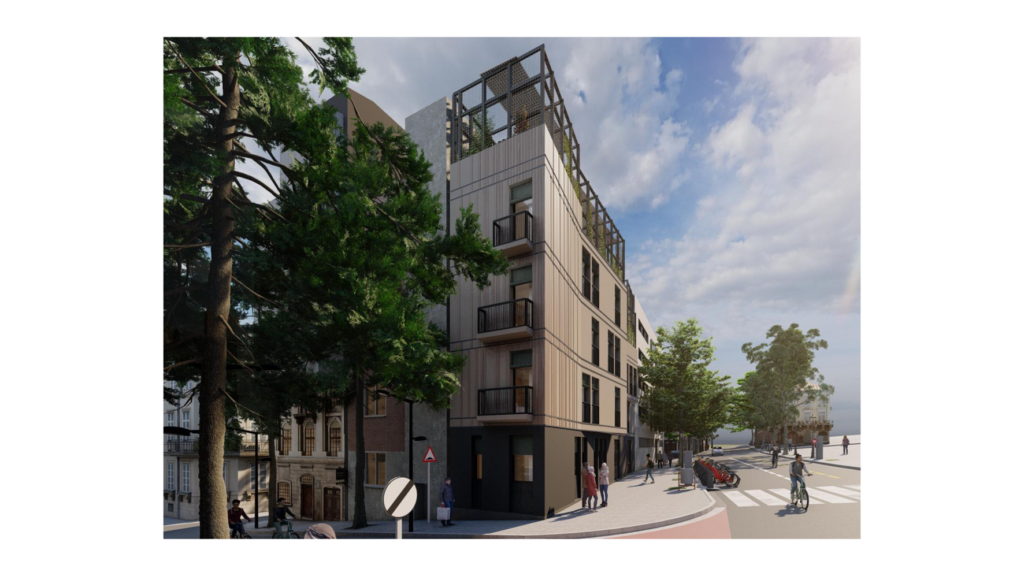
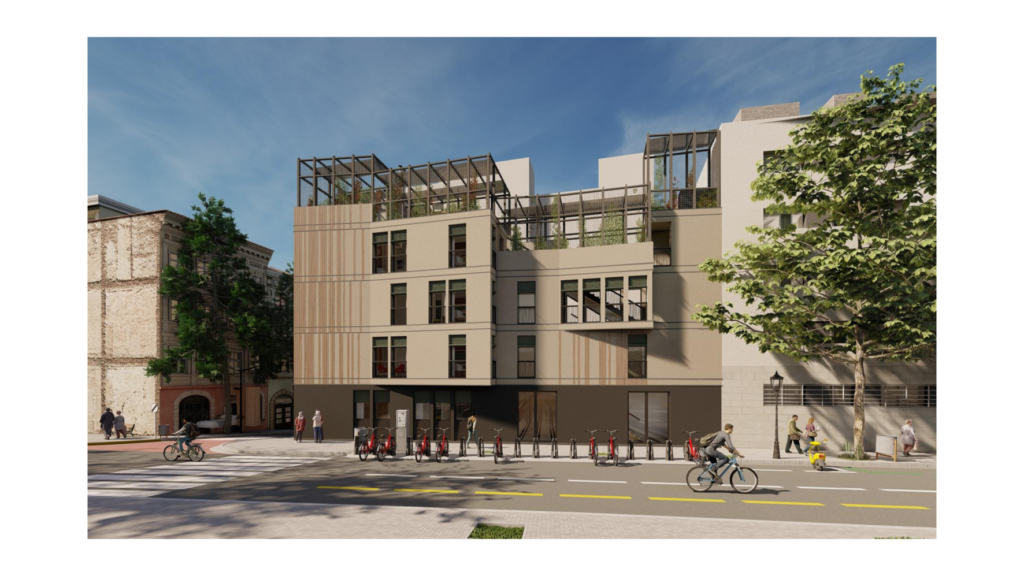
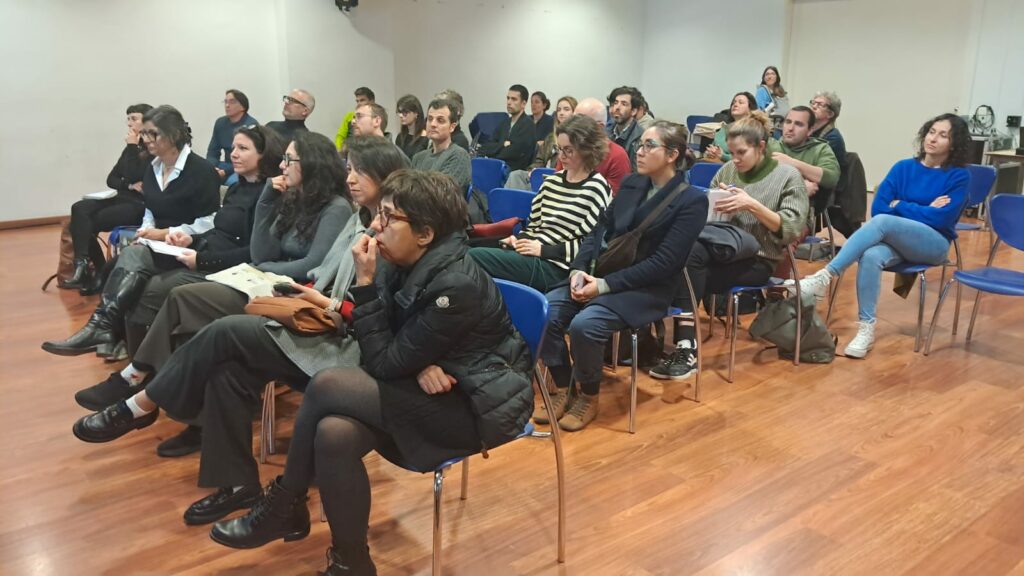
The technical session began with a presentation by David Bravo, architect at Straddle3, who explored the origins of WikiHousing, the social and urban context that motivates it, and the evolution of the project up to its current materialization. During his presentation, he explained the different phases of collaborative design, as well as the training processes and industrialized construction methods that form part of the project’s overall approach.
This perspective places emphasis not only on the final result, but also on the process itself as a tool for social and professional transformation, incorporating learning and participation as structural values of the project.
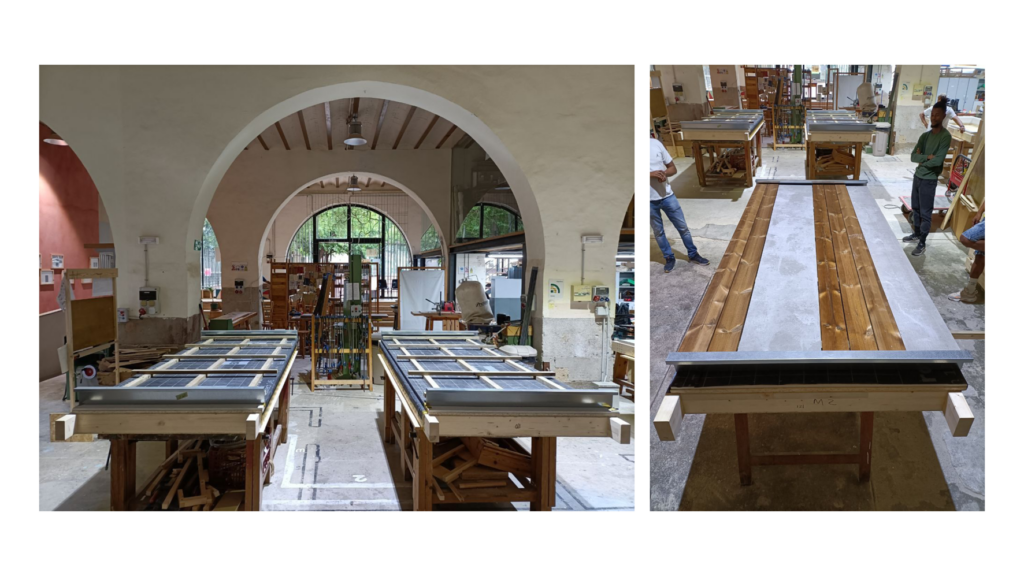
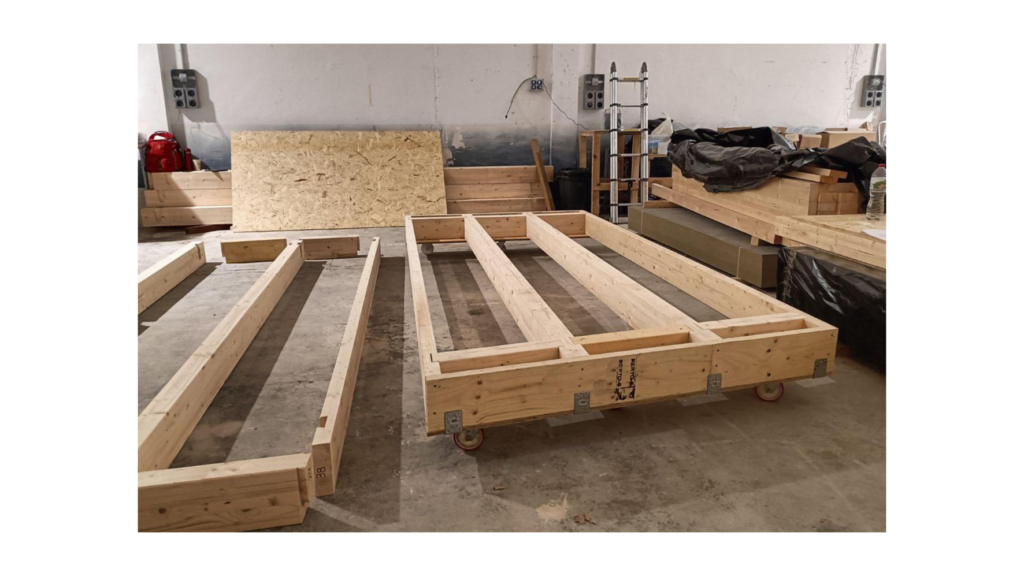
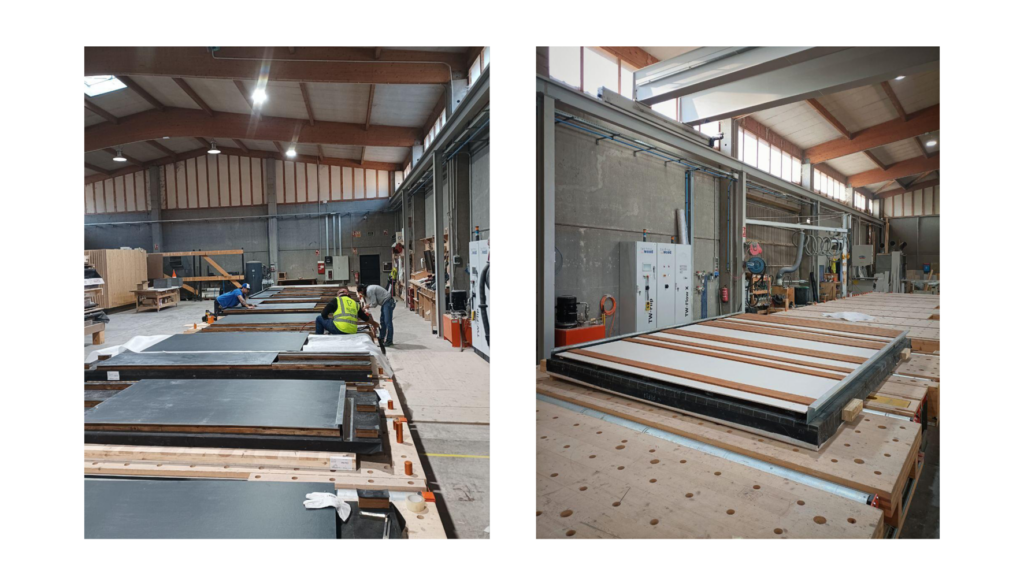
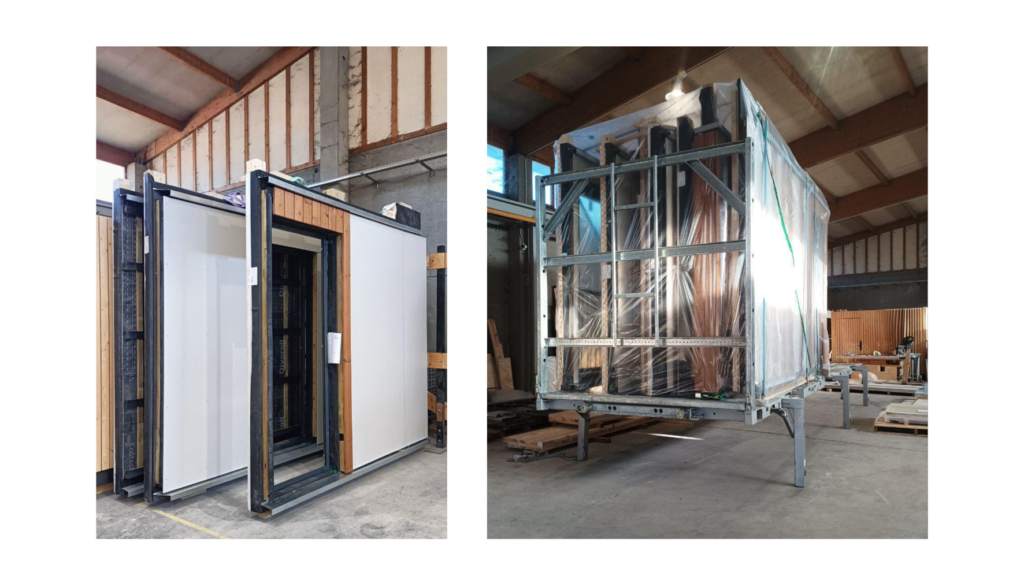
Next, Ignasi Caus, manager of Tallfusta, presented the industrialized engineered timber solutions developed to enable both the structure and the building envelope. His presentation helped explain the prefabrication criteria, the level of precision of the system, the assembly planning, and the advantages of this model in terms of reduced construction time, quality control, and environmental impact.
The presentation showed how timber industrialization can become a realistic response to the current challenges of the sector, combining sustainability, efficiency, and improved working conditions.
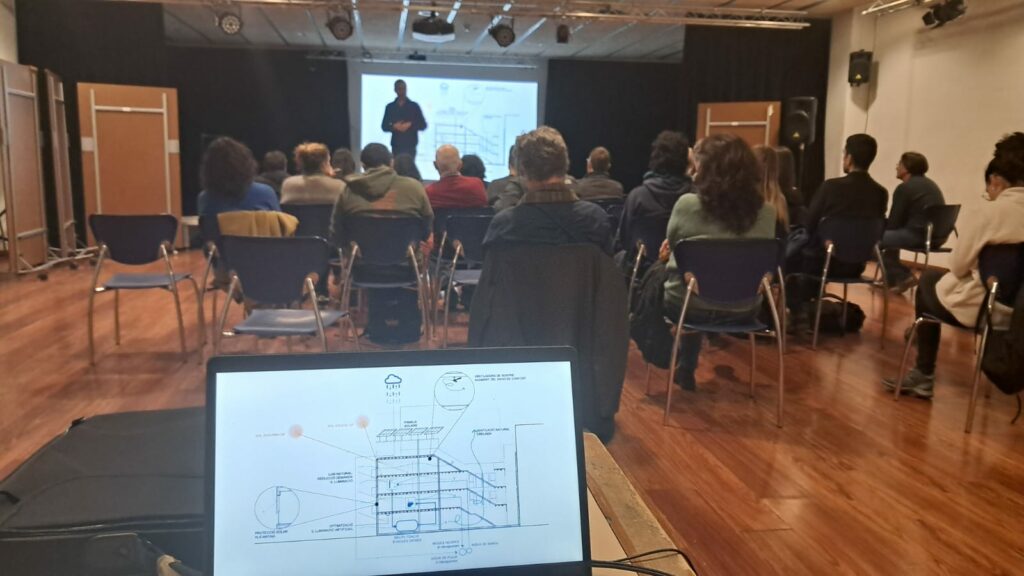
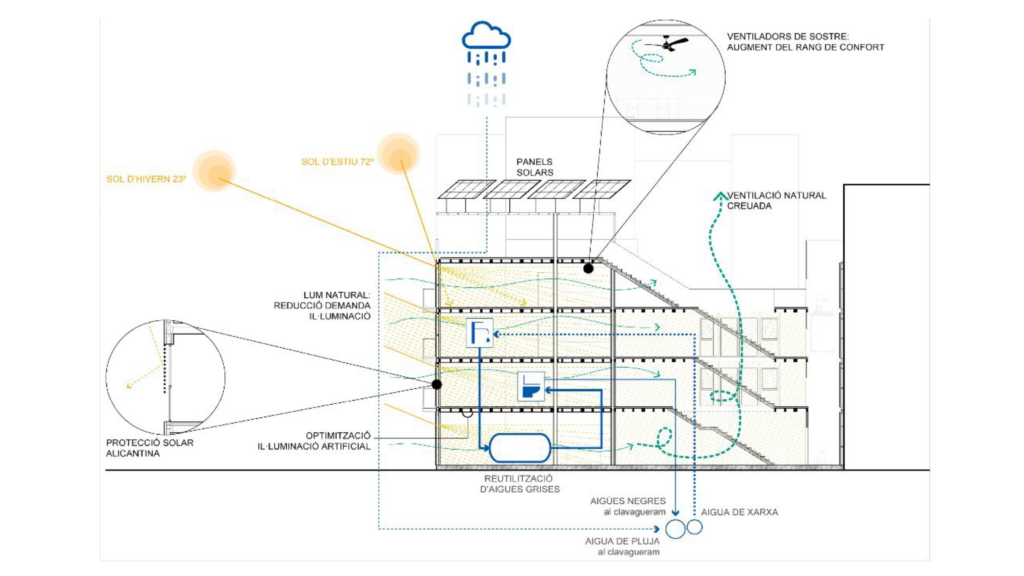
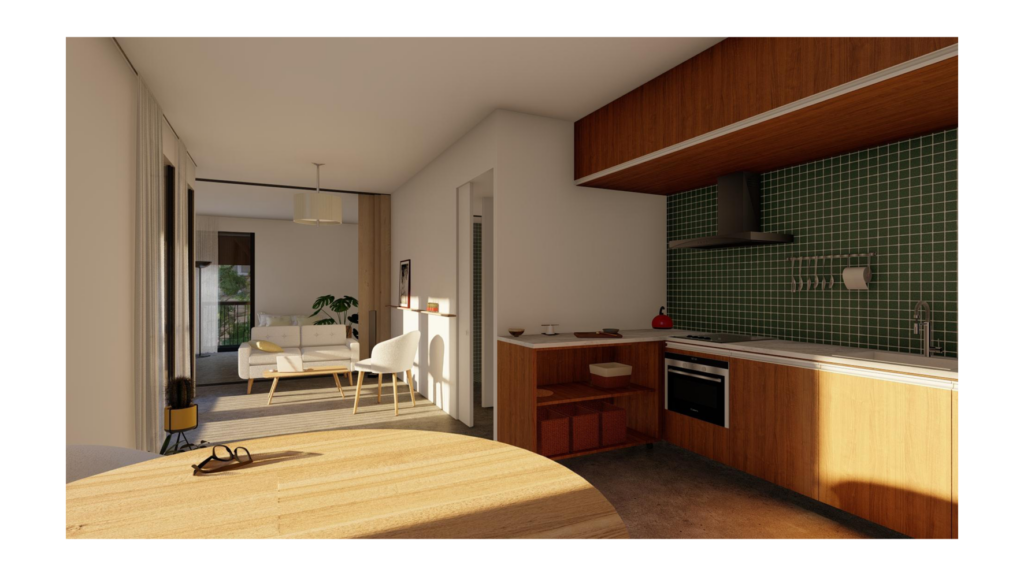
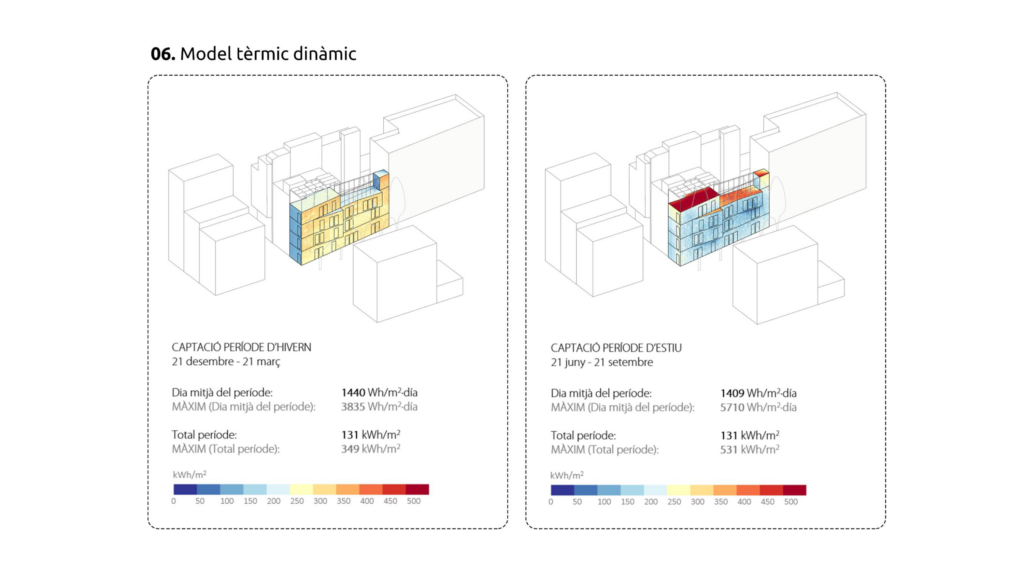
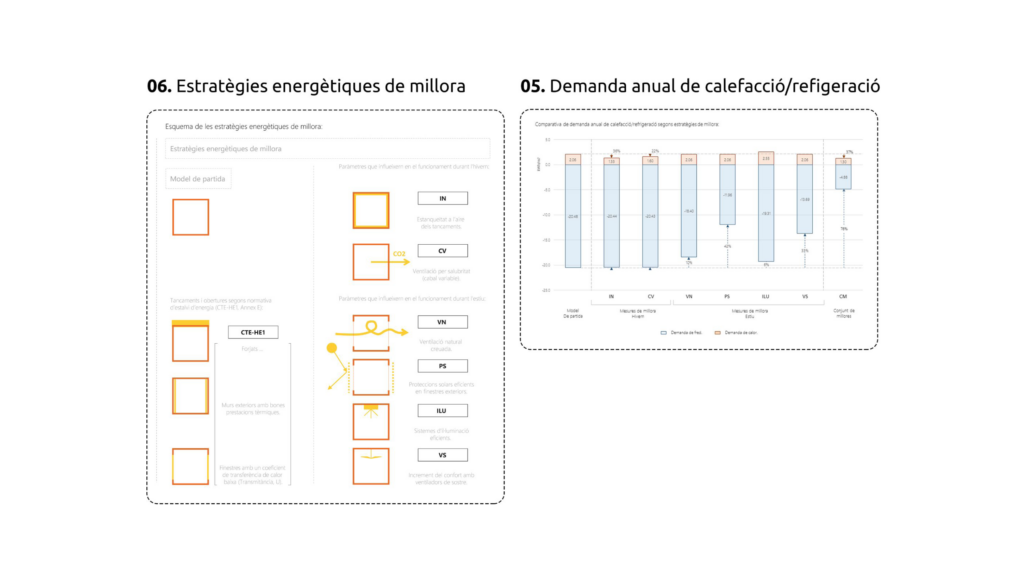
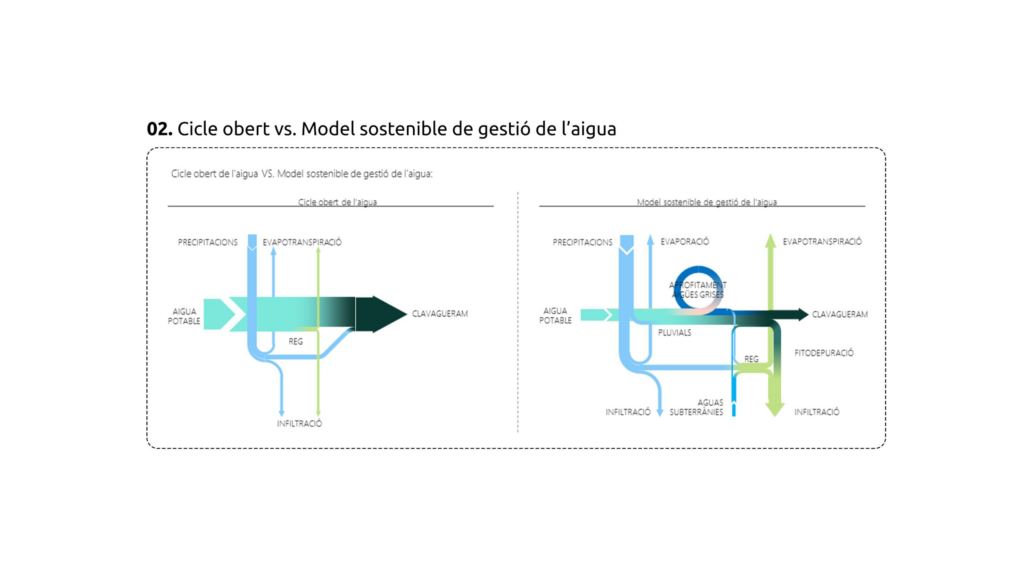
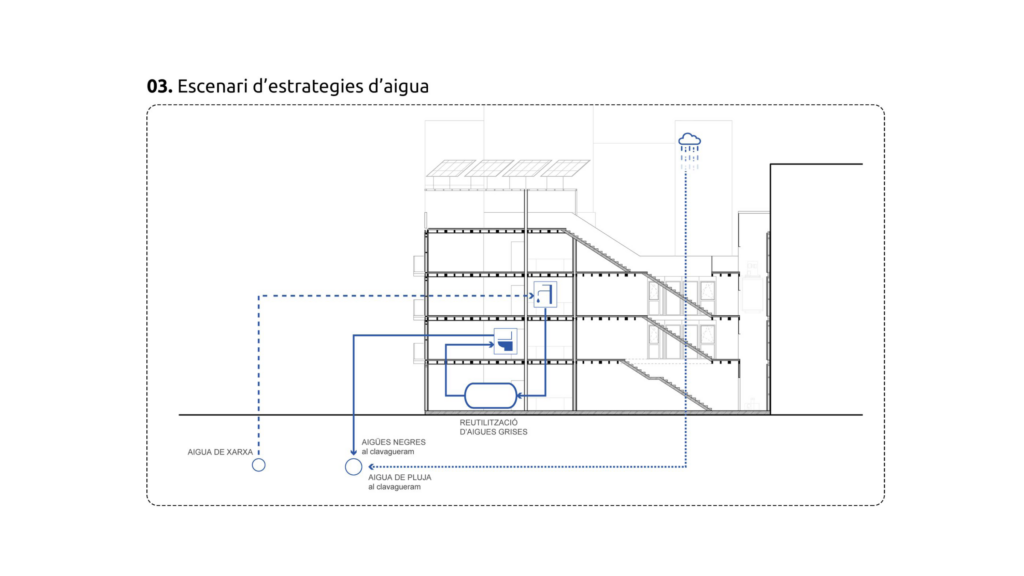
The third presentation was given by Luca Volpi, from Societat Orgànica, who introduced the project’s bioclimatic strategies. The session explained the design decisions aimed at reducing resource consumption, optimizing energy performance, and improving environmental comfort, as well as the coherence between architecture, the construction system, and the building’s energy behaviour.
The presentation highlighted the importance of addressing sustainability in an integrated and cross-cutting way, from the earliest design stages through to construction and the building’s use.
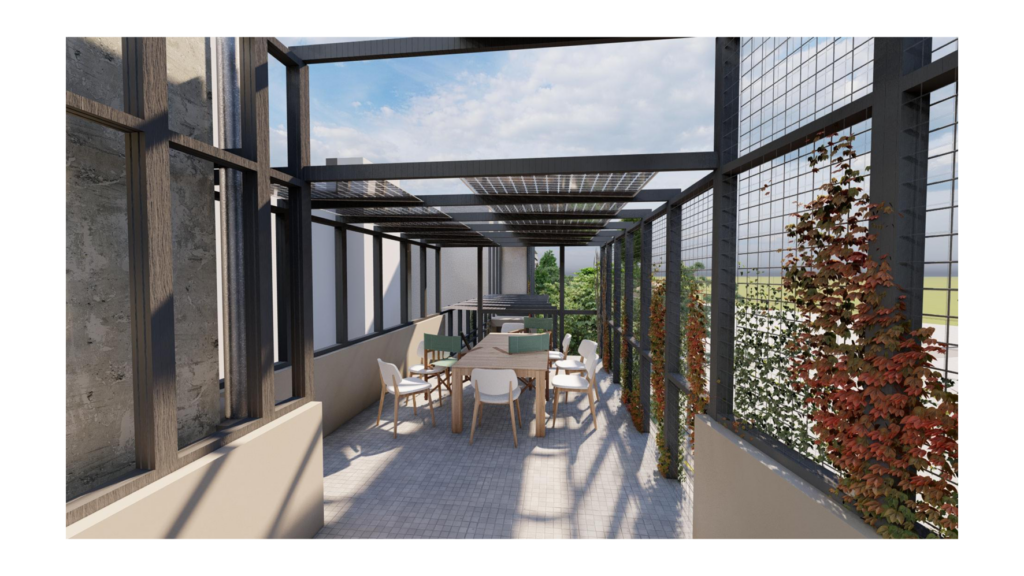
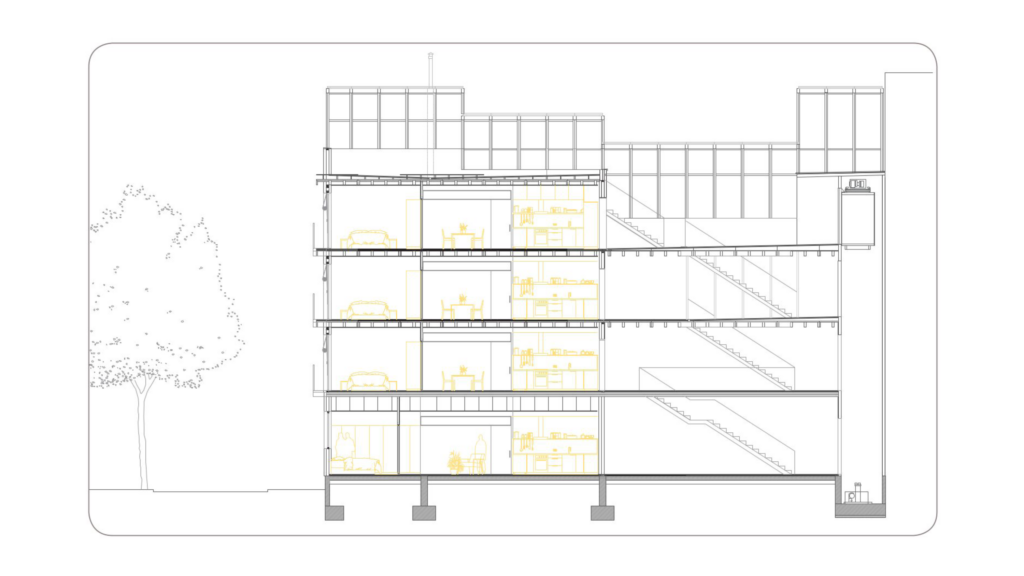
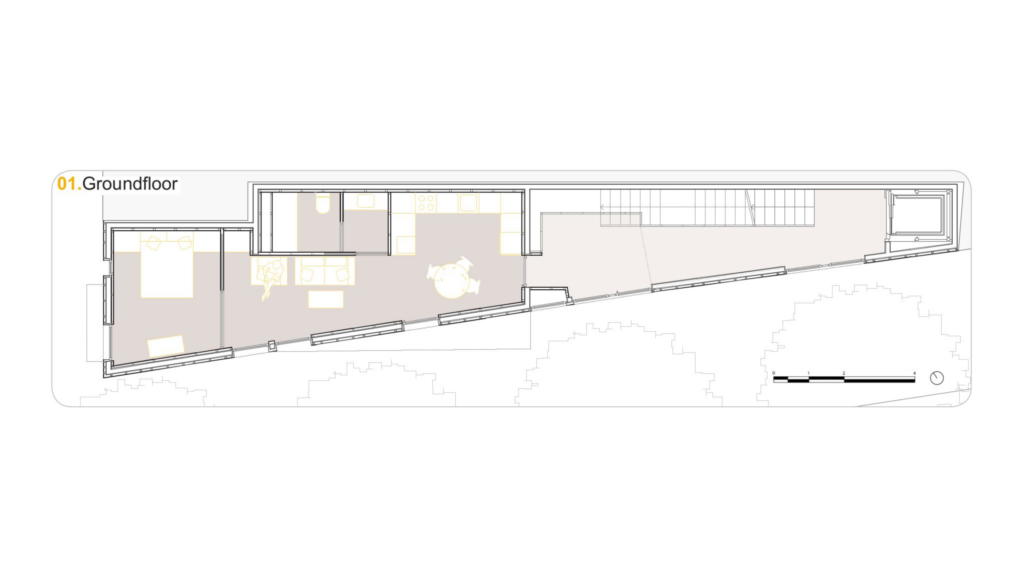
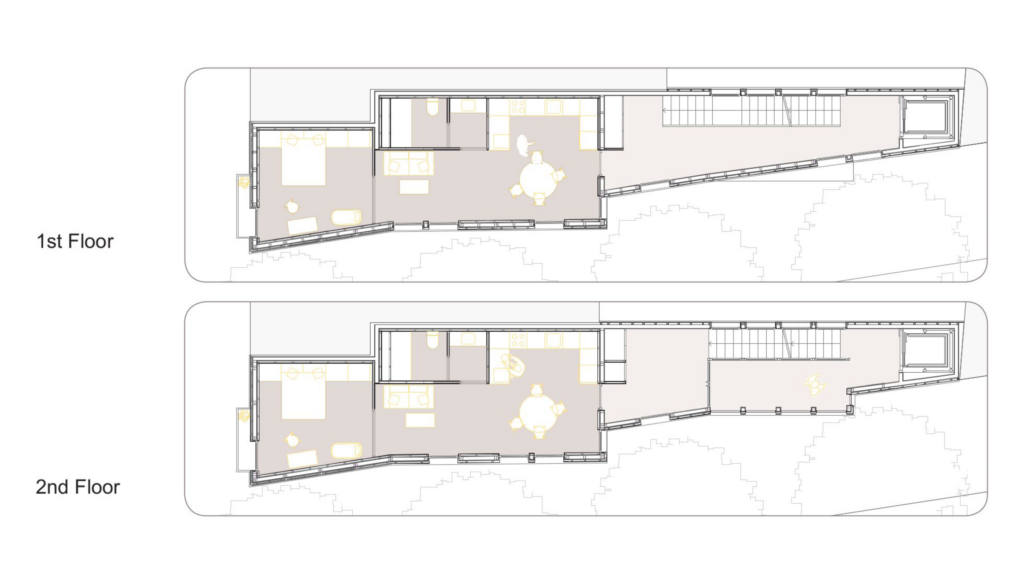
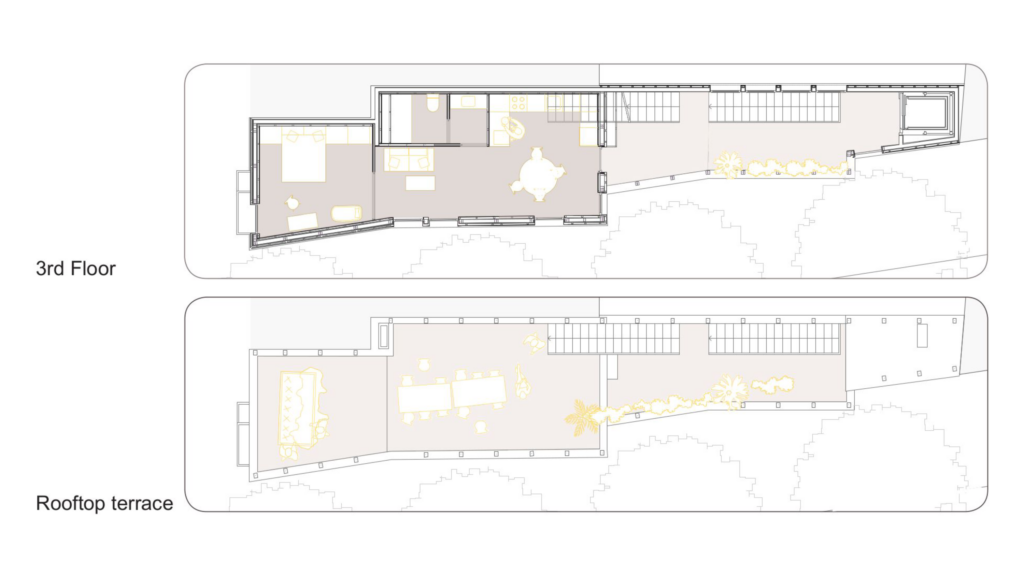
After the presentations, a lively Q&A session of around 30 minutes took place, generating a rich discussion on the project’s technical and social aspects, as well as its potential for replication and the limits and opportunities of the proposed model.
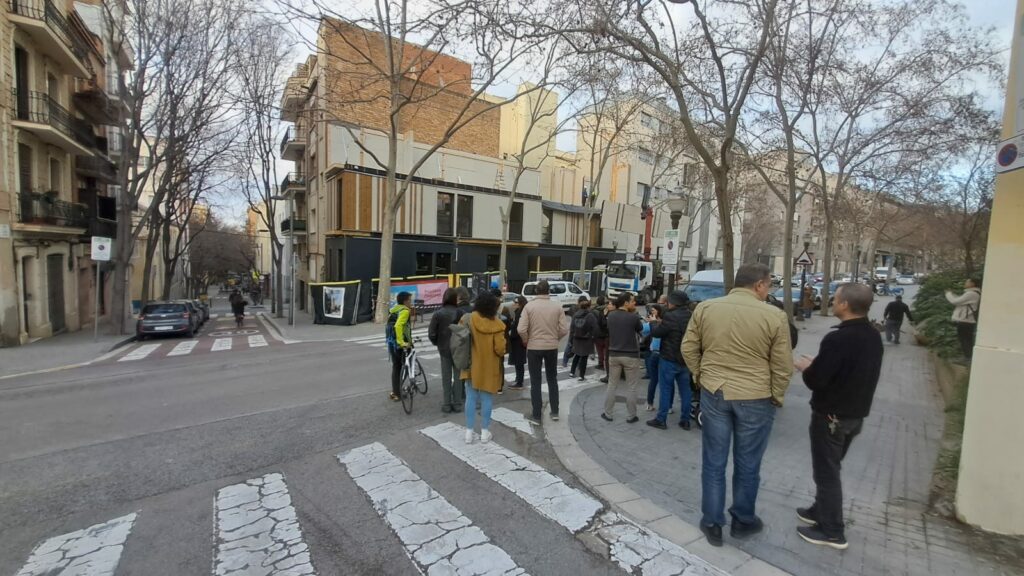
Afterwards, participants took part in a site visit, both from the exterior and inside the building. During the tour, it was possible to observe the assembly process of the prefabricated modules and witness the installation of a façade panel, providing a direct understanding of the construction logic and the real operation of the industrialized system.
espai
The visit to WikiHousing was a valuable opportunity to bring members of AUS closer to a real experience of architectural and construction innovation, allowing professionals to exchange perspectives and share questions and lessons learned.
At AUS, we believe that the transition toward more sustainable architecture depends not only on regulations or theory, but also on visiting built projects, understanding real processes, and building a professional community. Technical visits, discussions, and events are part of this commitment to collective learning and knowledge exchange.
We sincerely thank Straddle3, Tallfusta, and Societat Orgànica for their openness and generosity in sharing the project, the process, and their insights with AUS members.
If you are interested in being part of this network of professionals committed to sustainability and participating in visits, discussions, and activities like this, we encourage you to Join AUS.
We continue working to create spaces for exchange, knowledge, and collective action that help transform the sector through practice.
For more information, you can contact us at auscatalunya@coac.cat.
*Some of the images and part of the information used in this article come from the presentation prepared by Straddle3, Societat Orgànica and Tallfusta, who are the authors and owners of these materials.